
Microsoft may be on its way to developing AI models independent of its partnership with OpenAI. Over time, the generative AI company, OpenAI, has expanded its influence in the industry, meaning Microsoft has lost its exclusive standing with the brand. Several reports indicate Microsoft is looking to create its own “frontier AI models” so it doesn’t have to depend as much on third-party sources to power its services.
Microsoft and OpenAI have been in a notable partnership since 2021. However, January reports indicated the parties have had collaborative concerns over OpenAI’s GPT-4, with Microsoft having said the model was too pricey and didn’t perform to consumer expectations. Meanwhile, OpenAI has been busy with several business ventures, having announced its $500 billion Stargate project, a collaborative effort with the U.S. government to construct AI data centers nationwide. The company also recently secured its latest investment round, led by SoftBank, raising $40 billion, and putting its current valuation at $300 billion, Windows Central noted.
The two companies are seemingly working on different goals at the moment. Microsoft is especially interested in building and developing its products and services. Currently, the brand has not shared specifics about plans to build AI models in-house. However, Microsoft AI CEO, Mustafa Suleyman, spoke with CNBC’s Steve Kovach, explaining that pacing AI model development several months behind industry leaders would allow Microsoft to lower production costs and target its use cases.
“It’s cheaper to give a specific answer once you’ve waited for the first three or six months for the frontier to go first. We call that off-frontier. That’s actually our strategy, is to really play a very tight second, given the capital-intensiveness of these models,” Suleyman told CNBC.
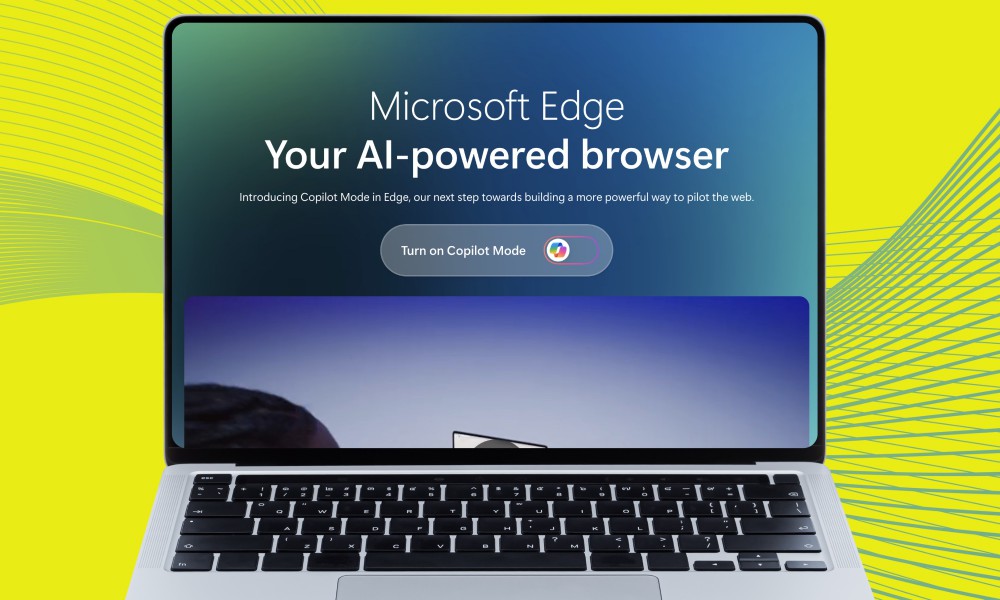
Microsoft also recently hosted its 50th Anniversary and Copilot event, where it showcased several new features for Copilot, including Copilot Vision, Deep Research, Pages, Copilot Avatar, and Memory. Windows Central noted the new AI features would benefit from Microsoft having more control over its AI models.
Suleyman told CNBC that its partnership with OpenAI will span until at least 2030. He added that the brand is working on its own AI internally, but the company has no goals to create “the most cutting-edge models.” However, that does suggest the company is moving forward with plans to enable its own AI models.
Notably, Microsoft quickly made the DeepSeek R1 reasoning model available on its Azure cloud computing platform and GitHub tool for developers amid its introduction to the industry in January. The move was seen as Microsoft’s effort to lessen reliance on OpenAI for its artificial intelligence needs. It was also supposedly working on its proprietary models and introducing more third-party models to help power its Microsoft 365 Copilot AI product, Reuters noted at the time.



Comments on " Microsoft considers developing AI models to better control Copilot features" :